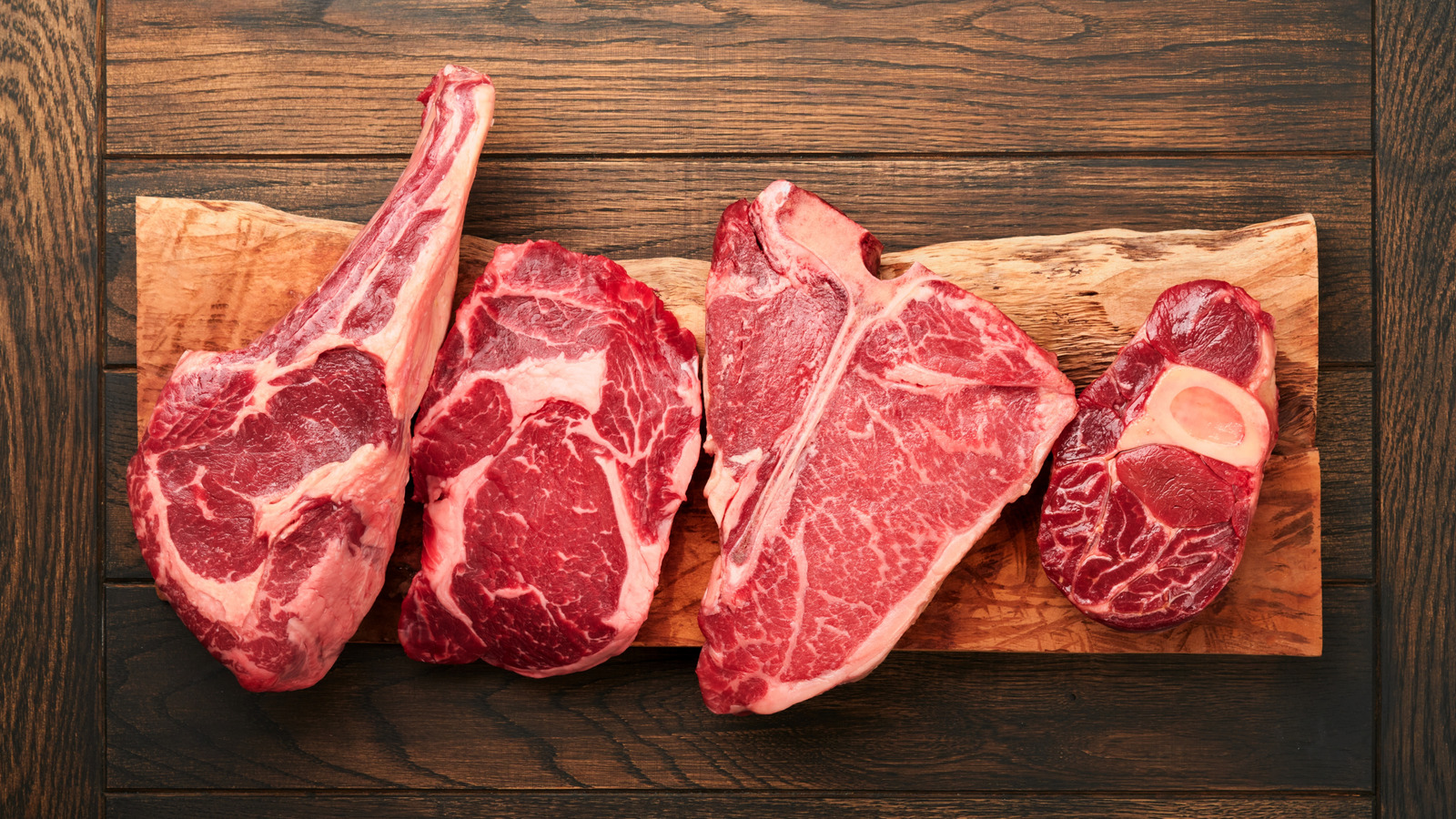
When the festive season arrives, bringing with it the cherished tradition of gathering around a beautifully set holiday table, the centerpiece roast inevitably takes center stage. For many, this evokes the grandeur of a magnificent prime rib, with its robust flavor and impressive bones. However, there's a compelling argument to be made for a different, arguably more refined, cut that promises an unparalleled experience: the beef tenderloin. While prime rib embodies a primal, full-flavored richness, the beef tenderloin offers a journey into subtle elegance, exquisite tenderness, and sophisticated presentation, making it the truly elegant choice for your most special occasions.
Beef Tenderloin: The Epitome of Elegance and Tenderness
Often referred to as "filet mignon" when sliced into individual portions, the beef tenderloin stands alone as the most prized and arguably the most luxurious cut on the entire steer. Its allure lies in its unmatched tenderness, a characteristic owed to its location along the spine, a muscle that does very little work. This lack of use results in muscle fibers that are incredibly fine, yielding a texture that is, quite literally, melt-in-your-mouth. Imagine a roast so tender you could almost cut it with a fork, boasting an almost buttery quality that glides effortlessly across the palate.
Beyond its ethereal texture, the beef tenderloin offers distinct advantages for the holiday host. Unlike its bone-in counterparts, the tenderloin boasts a sleek, cylindrical shape, free of cumbersome bones. This makes carving an absolute dream; no intricate butchering skills are required, nor the need to find the grain. Simply slice elegant medallions, and your guests are presented with perfectly portioned, visually stunning pieces of beef. This ease of service, combined with its inherently sophisticated nature, elevates the entire dining experience from rustic feast to refined affair. While its flavor profile is milder compared to the intense beefiness of prime rib, this subtlety is precisely what allows it to shine, acting as a sophisticated canvas for a myriad of complementary flavors.
Navigating the Nuances: The Lean Challenge of Beef Tenderloin
Despite its unparalleled tenderness, the beef tenderloin is not without its specific considerations, almost all of which stem from its remarkably low fat content. While this lean nature contributes to its delicate texture, it also presents two primary challenges for the home cook:
- Flavor Development: Much of the distinctive, deep beef flavor we associate with a roast comes from intramuscular fat, or marbling. With only trace amounts, the tenderloin's natural flavor can be relatively mild, almost nondescript. This is why many classic beef tenderloin recipes ingeniously incorporate bold flavors—think a smoky bacon wrap, a pungent herb crust, or a rich, high-impact sauce like béarnaise or red wine reduction—to enhance its inherent elegance.
- Cooking Precision: Fat acts as a natural insulator, slowing the rate of heat transfer through meat. Consequently, a lean cut like beef tenderloin cooks significantly faster than a fatter cut of comparable size. While faster cooking might sound appealing, it often leads to a greater temperature gradient within the roast. This means without careful technique, you can easily end up with a roast that is overcooked and dry on the outer layers, while the very center is barely warm. When lean tenderloin is overcooked, it quickly transforms from succulent to dry and cottony, losing its coveted tender texture.
Overcoming these challenges is key to truly mastering this elegant cut. The goal is to achieve a perfectly pink, medium-rare doneness from edge to edge, maximizing the tender, juicy interior, while simultaneously infusing it with robust flavor. This requires a thoughtful approach to both seasoning and cooking methodology.
Achieving Perfection: Doneness and Flavor Mastery
For a beef tenderloin, the ideal doneness is a topic of culinary debate, but generally, medium-rare (internal temperature of 130-135°F before resting) is considered the sweet spot. At this stage, the meat is incredibly juicy, exquisitely tender, and boasts a beautiful rosy pink hue throughout. While some might prefer rarer, pushing into the medium range can start to compromise the tenderloin's delicate texture, making it less succulent.
To ensure your beef tenderloin reaches this pinnacle of perfection, consider these strategies:
- Slow-Roasting: This technique is a game-changer for lean cuts. By cooking the tenderloin at a lower temperature (e.g., 250-275°F) for a longer period, you drastically reduce the temperature gradient. This allows heat to penetrate more gently and evenly, resulting in a more uniform doneness from the surface to the core. A high-heat sear, either before or after the slow roast, can then be applied to develop that desirable browned crust.
- External Flavor Enhancements: Embrace the tenderloin's mild nature by adding flavor strategically. Beyond bacon or pepper crusts, consider a generous application of herbed butter (rosemary, thyme, garlic), a horseradish crust, or a simple but effective dry rub. These not only boost flavor but can also help create a beautiful exterior.
- Temperature Monitoring: An accurate meat thermometer is your best friend. Insert it into the thickest part of the roast, avoiding bone (though not an issue here) or fat pockets. Remove the tenderloin from the oven 5-10 degrees below your target internal temperature.
- Crucial Resting Period: After removing it from the oven, allow the tenderloin to rest for at least 15-20 minutes, tented loosely with foil. This allows the internal temperature to continue to rise slightly (carryover cooking) and, more importantly, redistributes the juices throughout the meat, ensuring every slice is as succulent as possible. Skipping this step is a common mistake that leads to dry meat.
Preparing Your Elegant Roast: Tips for Success
Preparing a beef tenderloin doesn't have to be intimidating. With a few key steps and the right approach, you can create a truly show-stopping holiday roast.
- Source Wisely: When at the butcher, ask for a "trimmed and tied beef tenderloin" or "filet of beef." This ensures the silverskin (a tough membrane) has been removed and the roast has been tied with butcher's twine into a uniform cylindrical shape. A consistent thickness is vital for even cooking. If you get an untrimmed piece, you'll need to remove the silverskin yourself and tie it.
- Bring to Room Temperature: While some recipes, like Ina Garten's, don't explicitly require it, letting your beef tenderloin come to room temperature for about 1-2 hours before cooking can significantly contribute to more even cooking. A cold roast hitting a hot oven experiences a more extreme temperature shock, leading to a wider gradient of doneness.
- Season Generously: With its mild flavor, tenderloin truly benefits from liberal seasoning. Use a good quality coarse salt (like kosher or sea salt) and freshly cracked black pepper. Don't be shy; much of it will form a delicious crust. Consider adding garlic powder, onion powder, or a dash of paprika to your seasoning blend.
- Flavor Infusion: This is where you can truly make your tenderloin shine.
- Herb Crust: Chop fresh rosemary, thyme, and garlic, mix with olive oil, and pat generously all over the roast.
- Compound Butter: Prepare a butter infused with herbs, garlic, and shallots, and spread it over the tenderloin before roasting, or serve dollops of it over the finished slices.
- Bacon Wrap: For added fat, flavor, and moisture, wrap the tenderloin tightly in strips of bacon before roasting.
- Pan Drippings & Sauce: Don't let those flavorful pan drippings go to waste! They are the perfect base for a quick pan sauce—deglaze with red wine or broth, reduce, and whisk in a pat of butter for a luxurious accompaniment.
The Final Verdict: Why Tenderloin Reigns for Holiday Elegance
When weighing beef tenderloin against prime rib for your holiday roast, the choice ultimately comes down to the experience you wish to create. If your heart yearns for a primal, bone-in spectacle with deep, beefy fat-rendered flavor, prime rib holds its undeniable charm. However, if your vision for the holidays is one of refined sophistication, exquisite tenderness, and effortless elegance, the beef tenderloin stands as the undisputed champion.
Its unparalleled tenderness, beautiful presentation, and versatility in pairing with complementary flavors make it a truly distinguished centerpiece. While its lean nature demands a bit more precision in cooking and thoughtful flavor augmentation, these challenges are easily overcome with the right techniques, rewarding you and your guests with a truly memorable and luxurious dining experience. This holiday season, consider embracing the subtle grandeur of the beef tenderloin – a choice that speaks volumes of taste and sophistication.
Ultimately, the beef tenderloin is more than just a cut of meat; it's an elegant statement. It promises a dining experience that is both sophisticated and deeply satisfying, transforming your holiday table into a celebration of culinary artistry. With careful preparation and a focus on achieving that perfect, rosy interior, your beef tenderloin will undoubtedly be the star of the show, leaving a lasting impression of refined taste and unmatched tenderness.
