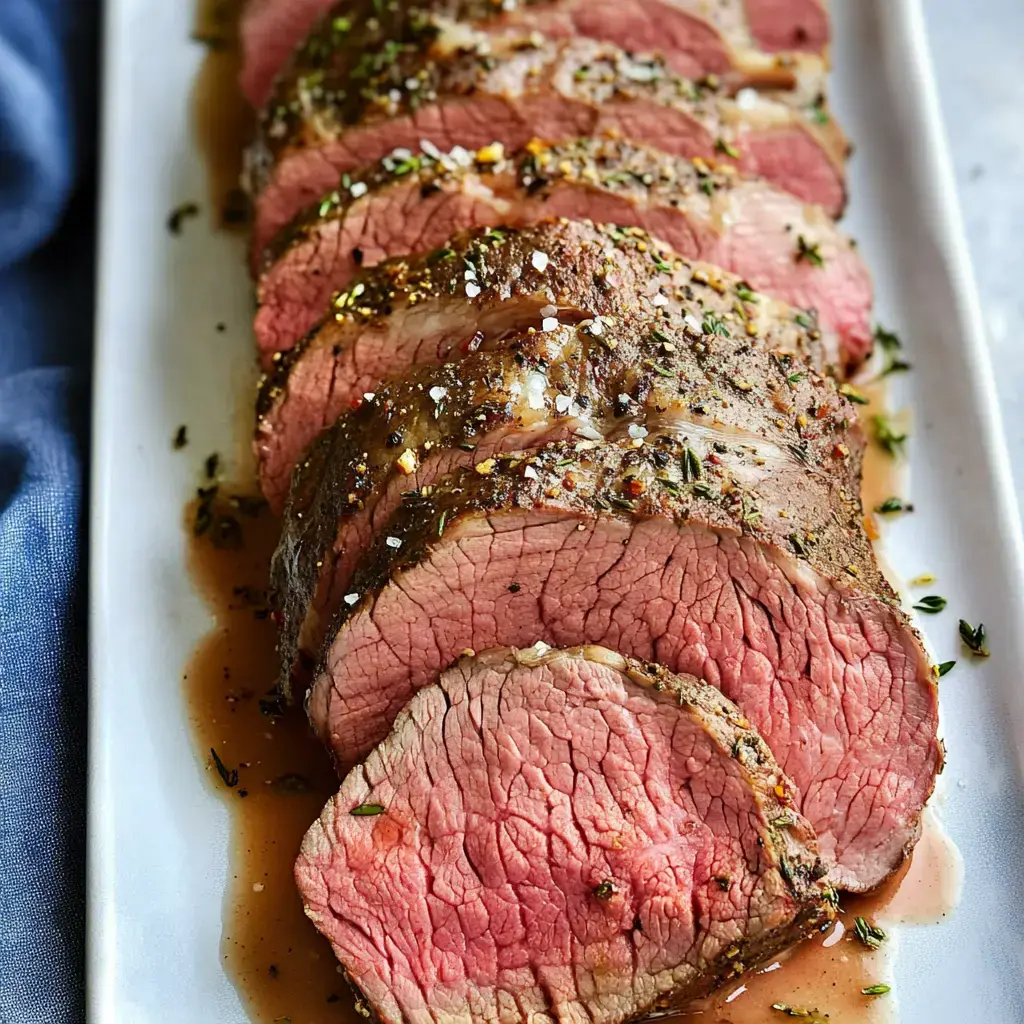
Mastering Beef Tenderloin: Perfect Pink, Ultra-Tender, Edge-to-Edge
When it comes to crafting a show-stopping centerpiece for a special occasion, few cuts command attention quite like the
beef tenderloin. Renowned for its unparalleled tenderness, delicate flavor, and elegant presentation, it's a choice that whispers sophistication rather than shouts primal indulgence. While cuts like prime rib offer robust, fatty flavors, the tenderloin, often referred to as "filet mignon" in individual portions, delivers a subtle, melt-in-your-mouth experience that is truly unforgettable. The good news? Achieving a perfectly pink, ultra-tender, and consistently cooked interior from edge to edge is entirely within reach with the right techniques.
One of the tenderloin's most appealing attributes is its incredible ease of carving. With its beautiful cylindrical shape and complete lack of bones, you won't need to master complex butchery skills. Simply slice exquisite medallions against the grain, and you're ready to serve a dish that looks as impressive as it tastes. This inherent elegance makes it a go-to for holidays, celebrations, or any event where you want to impress guests with minimal fuss at the serving stage.
Understanding the Unique Challenges of Beef Tenderloin
Despite its many virtues, the
beef tenderloin presents a few specific challenges, almost all stemming from its famously low fat content. Unlike fattier cuts that boast rich marbling, tenderloin is remarkably lean, meaning it doesn't possess the inherent, deep "beefy" flavor found in cuts like prime rib. This characteristic is why you'll often find tenderloin recipes featuring robust flavor enhancers, such as aromatic herb crusts, savory bacon wraps, or a bold accompanying sauce. These additions are not just for flair; they are essential for complementing the tenderloin's mild profile and elevating it to culinary greatness.
The low fat content also significantly impacts the cooking process. Fat acts as a natural insulator, slowing down heat transfer. Consequently, a lean cut like tenderloin will cook much faster than a similarly sized, fattier piece of meat. While "faster cooking" might sound appealing, it comes with a significant drawback: a larger temperature gradient within the roast. This means it's incredibly easy to end up with a tenderloin that is overcooked and well-done on the exterior layers, while the center barely reaches a desirable medium-rare. To exacerbate the problem, an overcooked, lean tenderloin quickly becomes dry, fibrous, and "cottony," a far cry from the succulent, buttery texture we aim for.
The critical question then becomes: how do we roast a
beef tenderloin to maximize the amount of perfectly cooked, medium-rare meat throughout, while simultaneously infusing it with irresistible flavor?
Achieving Perfection: Techniques for Even Cooking and Flavor
Mastering the beef tenderloin lies in understanding how to manage heat and enhance its delicate flavor profile. Our goal is a beautiful, evenly cooked interior with a savory crust.
1. Controlling the Temperature Gradient for Edge-to-Edge Perfection
To combat the dreaded well-done exterior and undercooked interior, we need to slow down the cooking process and allow heat to penetrate more gently and evenly. One highly effective method is a variation of what's often called "reverse searing" or simply a low-and-slow roasting approach followed by a high-heat finish:
- Start Low, Finish High: Begin by roasting the tenderloin at a relatively low oven temperature (e.g., 250-275°F or 120-135°C). This allows the heat to gradually and gently raise the internal temperature of the meat, minimizing the temperature difference between the surface and the center. Once the tenderloin is about 10-15 degrees shy of your target internal temperature, remove it from the oven, then crank up the heat to a very high temperature (e.g., 450-500°F or 230-260°C). Return the tenderloin for a short burst to develop a rich, brown crust.
- Bring to Room Temperature (Almost): While not strictly necessary for every recipe, allowing your tenderloin to sit out for about an hour before cooking can help reduce the initial temperature differential between the cold interior and the warm oven. This subtle step contributes to more even cooking.
- The Critical Rest: Perhaps the most overlooked step in achieving an "edge-to-edge" pink interior is allowing the cooked tenderloin to rest. Once removed from the heat, cover it loosely with foil and let it rest for 15-20 minutes. During this time, the internal temperature will continue to rise (this is called carryover cooking), and the muscle fibers will relax, allowing the juices to redistribute throughout the meat instead of gushing out when sliced. This results in a significantly juicier and more evenly cooked final product.
2. Elevating Flavor and Building a Beautiful Crust
Since
beef tenderloin is a blank canvas, robust flavor additions are key:
- Season Liberally: A generous coating of coarse salt and freshly cracked black pepper is fundamental. Beyond that, consider an aromatic rub of finely minced garlic, fresh rosemary, and thyme. A thin layer of Dijon mustard underneath your herb crust can also add a delightful tang and help the herbs adhere.
- Sear for Sizzle and Color: Before the low-and-slow roast or after, a quick, high-heat sear in a cast-iron pan or heavy-bottomed skillet creates that coveted deeply browned, flavorful crust. Pat the meat thoroughly dry before searing to ensure proper caramelization (Maillard reaction).
- Bacon Wrap or Compound Butter: For an extra layer of flavor and a touch of added moisture, wrapping the tenderloin in thin strips of bacon or basting it with herbed compound butter during the final stages of cooking can be truly transformative.
The Elusive "Perfect" Doneness for Beef Tenderloin
For many years, there was a prevalent belief among some culinary enthusiasts that "the rarer, the better" was always the ideal for beef. However, upon closer inspection, especially with lean cuts like
beef tenderloin, this isn't always the case. While you want to avoid well-done, which results in dryness, an extremely rare tenderloin can sometimes lack the melt-in-your-mouth, almost buttery texture that develops when the meat reaches a perfect medium-rare or even medium.
For tenderloin, an internal temperature of around 125-130°F (52-54°C) for medium-rare (measured in the thickest part before resting) is generally considered ideal. Remember, the temperature will rise by several degrees during the resting period. A reliable instant-read meat thermometer is your best friend here, taking the guesswork out of achieving that perfect pink interior.
Practical Tips for Tenderloin Success
*
Consult Your Butcher: For best results, ask your butcher for a piece of trimmed and tied
beef tenderloin. This ensures you're getting a quality cut that's ready for roasting, saving you time on prep. While readily available during peak holiday seasons, it’s always a good idea to order ahead.
*
Size Matters (but not for cook time): Whether you’re cooking a 2.5-pound piece or a whole tenderloin, the cooking method (especially the low-and-slow approach) remains largely the same, and surprisingly, the total cooking time may not vary as much as you'd think for thickness, relying more on internal temperature.
*
Don't Skip the Sear: A good sear locks in juices and builds flavor. Even if you're reverse-searing, ensure you get a beautiful brown crust either at the beginning or end.
*
Internal Links for Further Reading: If you're weighing your options for a festive roast, delve into our comparison of these two culinary giants:
Beef Tenderloin vs Prime Rib: The Elegant Choice for Holiday Roasts. For those seeking an effortlessly impressive method, you might find inspiration in the simplicity of
Ina Garten's 3-Ingredient Beef Tenderloin: Impress Guests Easily.
By understanding the unique characteristics of
beef tenderloin and employing these tried-and-true techniques, you can confidently transform this exquisite cut into a masterpiece. You'll achieve that coveted perfect pink from edge to edge, an ultra-tender texture that yields to the slightest touch, and a sophisticated flavor profile that will make any meal truly special. Embrace the elegance, master the methods, and prepare to impress with this culinary gem.