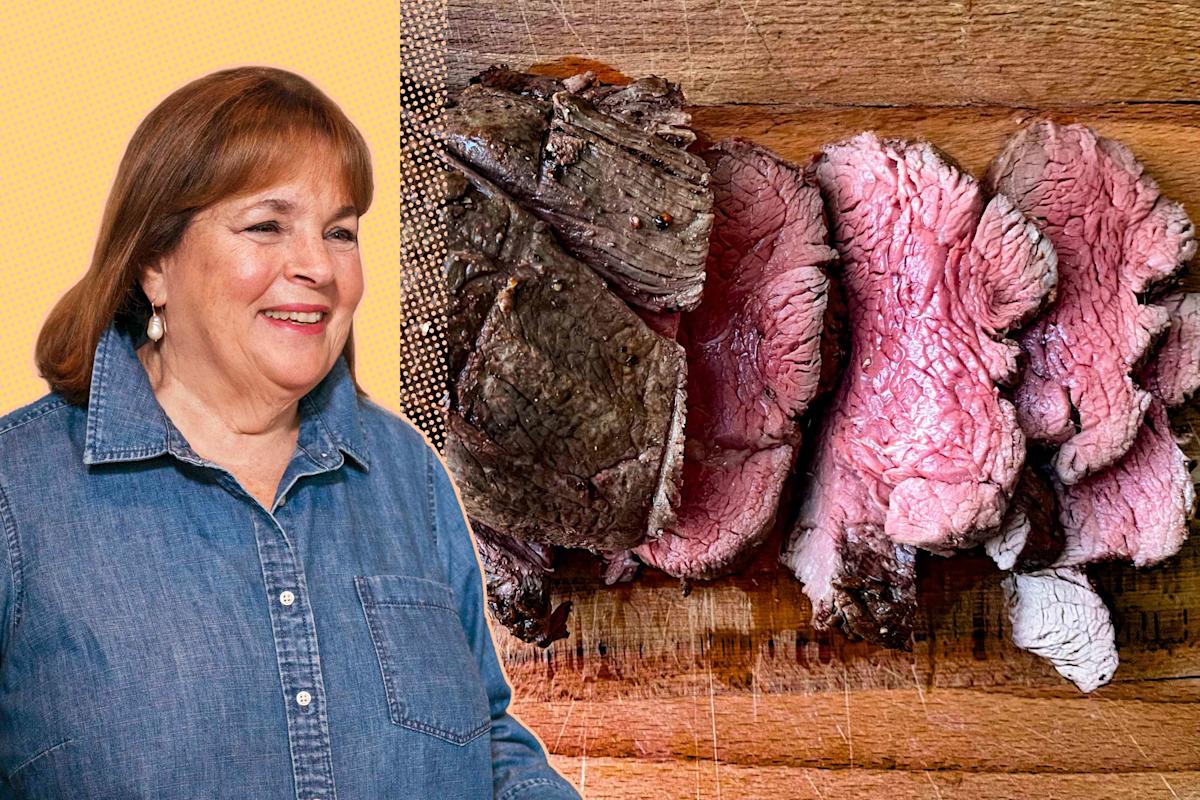
Ina Garten's 3-Ingredient Beef Tenderloin: The Secret to Effortless Elegance
Imagine serving a show-stopping meal that looks incredibly gourmet but requires minimal effort. That's the magic of Ina Garten, and her brilliant 3-ingredient beef tenderloin recipe is a testament to her philosophy of simple sophistication. For anyone looking to impress guests without breaking a sweat, especially during the busy holiday season, this recipe is your culinary secret weapon. It transforms a naturally elegant cut of meat into a perfectly cooked, flavorful centerpiece with an astonishingly short ingredient list.
Why Beef Tenderloin Reigns Supreme for Special Occasions
When the occasion calls for something truly special, beef tenderloin consistently delivers. Often referred to as "filet mignon" when sliced into individual portions, this cut stands out for its unparalleled tenderness. Located on the non-weight-bearing side of the steer, it’s exceptionally lean and requires very little work to become fork-tender. Unlike its more primal counterpart, prime rib, which boasts rich marbling and robust flavor, the tenderloin offers a more subtle, refined experience. It’s the elegant choice, appealing to palates that appreciate delicacy over intense fattiness. If you're pondering the perfect center-of-the-plate option for your next gathering, consider the distinct advantages of this refined cut. For a deeper dive into how it compares, explore our article on Beef Tenderloin vs Prime Rib: The Elegant Choice for Holiday Roasts.
Beyond its tenderness, beef tenderloin is remarkably easy to carve and serve. Its uniform cylindrical shape and lack of bones eliminate any carving anxieties. Simply slice it into beautiful medallions, and you have perfectly portioned servings ready to grace each plate. The minimal fat content means a melt-in-your-mouth, almost buttery texture, making it a luxurious choice that feels incredibly indulgent, yet surprisingly light.
The Nuances of Lean: Mastering Beef Tenderloin's Unique Challenges
While beef tenderloin is celebrated for its tenderness, its low fat content presents unique culinary considerations. Unlike fattier cuts, tenderloin has very little marbling, which contributes significantly to a steak's characteristic flavor. This often means that tenderloin recipes benefit from "punchy" additions—be it a rich sauce, a herbaceous rub, or even a simple pepper crust—to elevate its inherently mild profile. Ina Garten's genius lies in her ability to imbue maximum flavor with minimal fuss.
Another challenge stemming from its leanness is the cooking process itself. Fat acts as an insulator, slowing heat transfer. Without this insulating layer, tenderloin cooks faster, making it susceptible to overcooking. A common pitfall is ending up with a roast that’s well-done on the exterior but barely medium-rare in the center, creating an undesirable temperature gradient. When well-done, lean tenderloin can become dry and cottony, a texture that detracts significantly from its natural appeal. The goal, then, is to achieve a perfectly even cook, maximizing that coveted medium-rare doneness from edge to edge, while simultaneously developing a delicious crust and enhancing its flavor. For comprehensive techniques on achieving this, refer to our guide on Mastering Beef Tenderloin: Perfect Pink, Ultra-Tender, Edge-to-Edge.
Ina Garten's Genius: Simplicity Meets Perfection
Ina Garten's 3-ingredient (plus salt and pepper, of course!) beef tenderloin recipe, hailing from one of her beloved cookbooks, is a masterclass in achieving extraordinary results with everyday ease. Her brilliance lies in understanding the inherent qualities of the tenderloin and addressing its challenges head-on, with elegant simplicity.
The core of her recipe involves a trimmed and tied piece of beef tenderloin. This is crucial: "trimmed" means excess silver skin and fat have been removed, preventing toughness and ensuring a clean cook. "Tied" means the butcher has used kitchen twine to create a uniform cylindrical shape, which promotes incredibly even cooking and a beautiful presentation. You'll likely need to ask your butcher for this specific preparation, as it's not always readily available in pre-packaged sections, except perhaps during peak holiday seasons. While the recipe typically calls for a 2 1/2-pound piece, the beauty is that the same method and cooking time can often apply to a larger, whole tenderloin.
The 3 Magical Ingredients (Plus Salt & Pepper)
So, what are these transformative ingredients? While Ina often keeps her specific blend under wraps in the general description, her typical approach for a roast like this involves a simple yet powerful combination that creates a fantastic crust and infuses flavor:
- Good Quality Olive Oil: Essential for coating the meat, promoting a beautiful sear and crispy exterior, and helping the seasonings adhere.
- Dijon Mustard: This is a classic Ina move! Dijon not only adds a tangy, pungent depth of flavor that beautifully complements beef, but its properties also help tenderize the meat slightly and form an incredible, savory crust when roasted.
- Fresh Herbs (like Rosemary or Thyme): Finely chopped, these herbs provide an aromatic punch, contributing to the "big, punchy flavor" that tenderloin needs to truly shine.
Alongside generous amounts of kosher salt and freshly ground black pepper, these three elements work in harmony. The olive oil ensures a golden-brown crust, the Dijon adds a layer of complex flavor and helps tenderize, and the herbs infuse a fragrant aroma that elevates the entire dish.
One subtle but important tip, even if Ina doesn't explicitly state it, is to bring your beef tenderloin to room temperature before seasoning and roasting. This allows for more even cooking throughout the roast, minimizing the temperature gradient problem inherent to lean cuts. Apply the Dijon-herb mixture liberally, massaging it over the entire surface of the meat. This creates a flavorful barrier that locks in moisture and develops that enviable crust during roasting.
Practical Tips for Your Perfect Ina Garten Beef Tenderloin
To truly master Ina's elegant beef tenderloin, here are a few additional tips that will elevate your cooking experience and guarantee a triumphant meal:
1. Start with the Best Quality Beef
Since the tenderloin is the star, investing in high-quality meat is paramount. Develop a relationship with a good local butcher. They can provide a superior cut, ensure it’s properly trimmed of silver skin (a tough membrane that won't break down during cooking), and neatly tied into an even cylinder. This attention to detail from the start makes a significant difference in both presentation and tenderness.
2. Temperature is Everything: Use a Meat Thermometer
For a cut as precious as beef tenderloin, guessing doneness is a recipe for disaster. An instant-read meat thermometer is your best friend. For a perfect medium-rare, aim to pull the roast from the oven when its internal temperature reaches 120-125°F (49-52°C). Remember, the temperature will continue to rise during resting, a phenomenon known as carryover cooking.
3. The Golden Rule of Resting
Once your beef tenderloin reaches its target temperature, resist the urge to slice it immediately. Transfer it to a cutting board, tent it loosely with foil, and let it rest for at least 10-15 minutes (for smaller roasts) up to 20-30 minutes for larger ones. This crucial step allows the juices, which have been forced to the center by the heat, to redistribute throughout the meat, resulting in an incredibly moist and tender final product. Slicing too soon will lead to a dry, less flavorful roast.
4. Simple Accompaniments Shine
With such an elegant main course, keep your side dishes refined but not overly complicated. Roasted asparagus, simple mashed potatoes, a fresh green salad with a light vinaigrette, or perhaps a simple pan sauce made from the drippings and a splash of wine or broth will complement the tenderloin beautifully without overpowering it.
5. Plan Ahead
While the actual cooking is swift, planning can reduce stress. Ask your butcher for the tenderloin a day or two in advance. You can prepare the Dijon-herb mixture ahead of time, then simply slather it on the beef and let it come to room temperature a couple of hours before roasting.
Conclusion
Ina Garten’s 3-ingredient beef tenderloin is more than just a recipe; it's a philosophy of effortless entertaining that allows you to enjoy your guests as much as they enjoy your exquisite meal. By understanding the unique qualities of this lean, tender cut and applying Ina’s brilliantly simple approach, you can confidently serve a perfectly cooked, flavorful, and incredibly impressive roast. It's the ultimate fail-proof solution for making a lasting impression, proving that sometimes, the most extraordinary results come from the most straightforward ingredients and techniques. Elevate your entertaining and experience the joy of a truly elegant dinner, courtesy of the Barefoot Contessa.
